
Categories
Tags
Recent Blogs
Bucket Teeth and Adapters: How to Choose for Excavators and Loaders

What are bucket teeth and adapters?
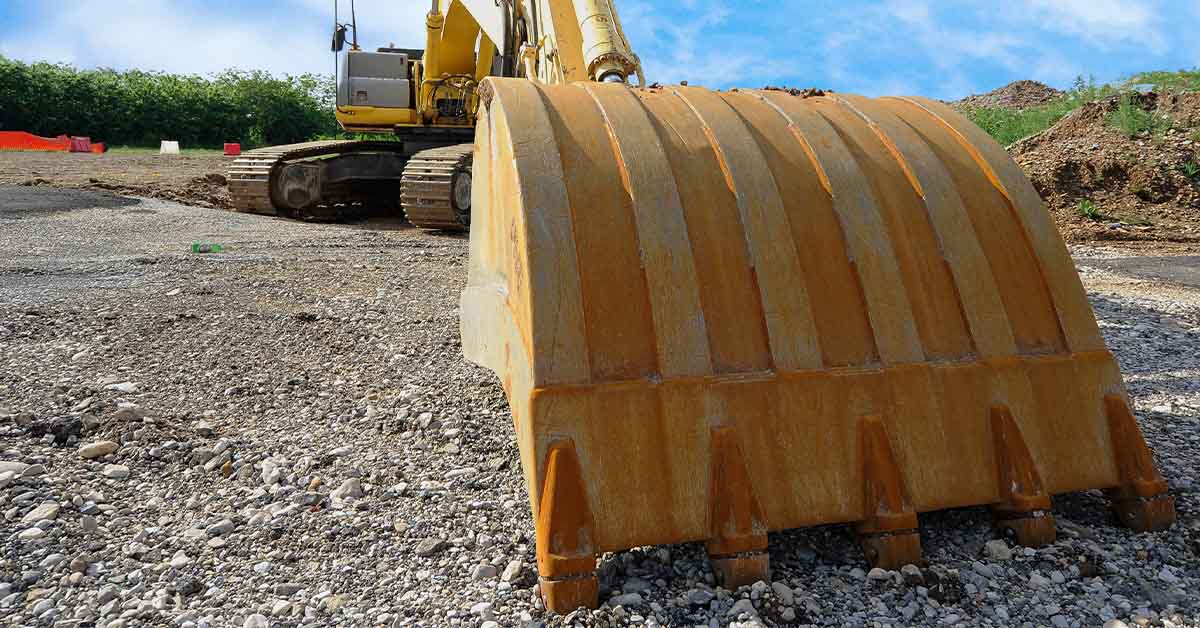
Bucket teeth are the replaceable tips that dig into the ground. Adapters are the parts welded or bolted to the bucket lip that hold the teeth. A pin and retainer lock each tooth onto its adapter. Together with cutting edges and side cutters, they make up the bucket's ground engaging tools.
| Part | What it does | How often it is replaced |
|---|---|---|
| Tooth (tip) | Penetrates and breaks the ground | Most often; it is the main wear part |
| Adapter | Holds the tooth and protects the bucket lip | Less often; when the nose that holds the tooth is worn |
| Pin and retainer | Lock the tooth onto the adapter | At every tooth change |
| Cutting edge | Protects the lip between or instead of teeth | When worn to the maker's limit |
| Side cutters and corner guards | Protect the bucket sides and corners | When worn or damaged |
Teeth are made to wear so that the adapter and bucket do not. Changing teeth on time is much cheaper than replacing adapters or rebuilding a bucket lip.
Which tooth type suits which ground?
Choose the tooth type by the material you dig. General-purpose teeth suit mixed soil; rock or heavy-duty teeth suit blasted rock and abrasive ground; sharp penetration teeth suit hard-packed ground and clay; and wide or flare teeth suit loading loose material. The wrong tooth wears faster and wastes fuel.
| Tooth type | Best for | Trade-off |
|---|---|---|
| General purpose (standard) | Mixed soil, gravel, general digging | A balance of penetration and wear life |
| Heavy-duty or rock | Blasted rock, abrasive ground, quarry work | More wear material; penetrates less easily |
| Penetration (sharp or long) | Hard-packed ground, clay, caliche | Digs easily but wears faster in abrasive material |
| Single or twin tiger | Trenching, breaking hard or rocky ground | Very good penetration; shorter life in abrasive ground |
| Wide or flare | Loading loose sand, aggregate and soil | Leaves a flatter floor; not for hard digging |
On many GCC sites, sand and gravel are abrasive. A heavy-duty or abrasion tooth often lasts longer there than a sharp penetration tooth, even if it digs a little slower.
When should bucket teeth and adapters be replaced?
Replace a bucket tooth before it wears through to the adapter nose. Signs include a rounded or blunt tip, a tooth shorter than the maker's wear limit, cracks, or a tooth that moves on the adapter. Replace an adapter when its nose is worn, cracked or no longer holds a new tooth tightly.
- Rounded or blunt tips: the machine needs more force and fuel to dig, and cycle times slow down.
- Short teeth: compare the length with a new tooth or the maker's wear limit.
- Holes or thin walls: a tooth worn this far will soon expose the adapter nose.
- Loose fit: a tooth that rocks on the adapter means a worn nose or pin and will wear faster.
- Cracks in teeth, adapters or the welds that hold adapters to the bucket.
Check teeth at every shift on hard or abrasive work, and rotate them as the maker allows: corner teeth often wear faster than middle teeth.
How do you match teeth to the right adapter?
Teeth only fit adapters from the same tooth system and size. Each system has its own nose shape and locking method, so a tooth that looks similar may not lock correctly. Match the tooth to the adapter by the system and size, or by the part number on the adapter or the old tooth.
- Read the part number cast or stamped on the adapter, or on the inside of an old tooth.
- If no number can be read, note the machine make, model and serial number, the bucket type and width, and the number of teeth.
- Measure the adapter nose and the pin hole, and photograph the adapter from the side and top.
- Check whether the bucket uses weld-on or bolt-on adapters, and which pin and retainer it uses.
- Order pins and retainers with every set of teeth; reusing old locking parts is a common cause of lost teeth.
Aftermarket teeth are widely used and can offer good value, provided they fit the same tooth system and size as the adapter. The guide to OEM vs aftermarket heavy equipment parts explains how procurement teams decide between the two.
How can you make bucket teeth last longer?
Bucket teeth last longer when the tooth type suits the ground, the operator uses the right digging angle, and teeth are changed before adapters wear. Keep spare teeth, pins and retainers on site, rotate corner and middle teeth, and use cutting edges or side cutters to protect the rest of the bucket.
- Dig with the teeth, not the bucket floor: the wrong angle wears the heel and bottom.
- Avoid prying and twisting rock with the tips, which breaks teeth and stresses adapters.
- Keep a full set of teeth, pins and retainers for each bucket type on site.
- Record changes by machine, so you can see how long each tooth type lasts on each job.
When you change teeth, also check the bucket linkage pins for play. A loose bucket puts shock loads on new teeth and adapters.
Undercarriage wear is covered in When to Replace Excavator Undercarriage Parts: Rollers, Idlers and Sprockets.
Browse bucket teeth and adapters and cutting edges, or register a business account to order online. For a full set of teeth, pins and retainers, send your bucket details through the bulk enquiry form.
Gulf Parts Center supplies automotive, heavy equipment and industrial spare parts to businesses across the GCC, with next-day delivery to Saudi Arabia, UAE, Kuwait, Oman and Qatar, including customs clearance.
Frequently asked questions
How do I know which bucket teeth fit my excavator?
Match the tooth to the adapter's tooth system and size, using the part number on the adapter or the old tooth. If there is no number, send the machine model and serial number, bucket width and photos of the adapter.
Should pins and retainers be replaced with the teeth?
Yes. Pins and retainers wear and lose their grip. Fitting new ones with each set of teeth helps stop teeth falling off during work.
Are aftermarket bucket teeth a good choice?
They can be, as long as they match the adapter's tooth system and size and suit the ground conditions. Check the fit on one tooth before ordering a full fleet set.


